November 2026
What Does Help Make Possible?
Issue 03 — from independence and work to the time we share.
Help finds its meaning in what it enables us to choose, do and share.
Henry Evans wants to help Jane with a meal. Using a computer to control a robot, he takes part in something others previously had to do for him.
Editor’s introduction ↓Issue Theme
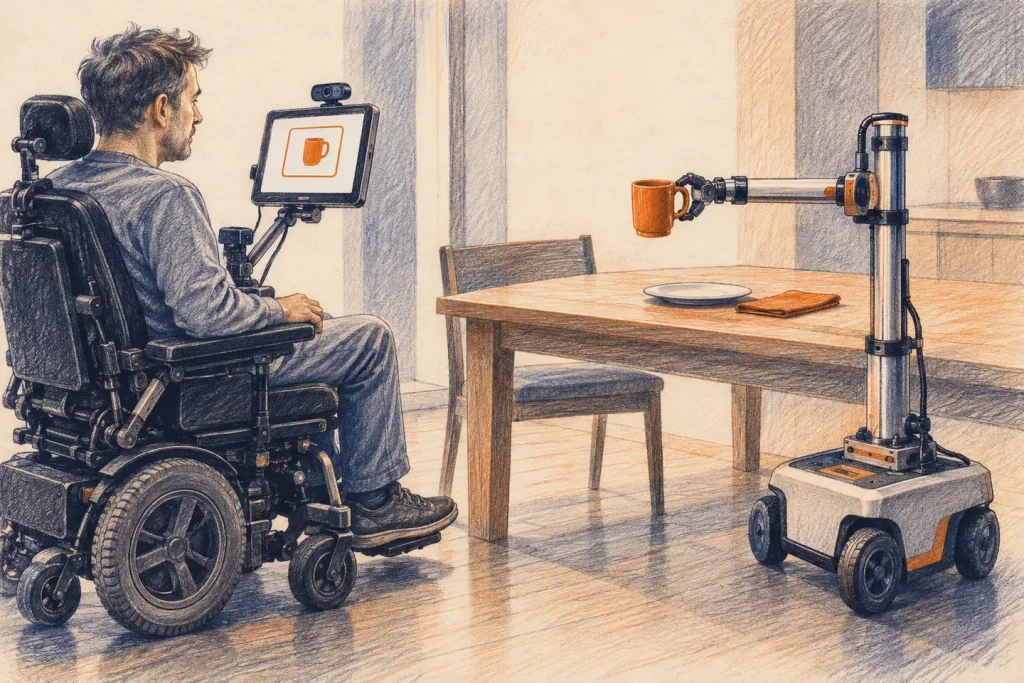
Whose Intent Does the Robot Turn into Action?
A family wants to help one of its members. That person wants to do something for themselves and others. Henry’s story shows how a robot can connect those intentions.
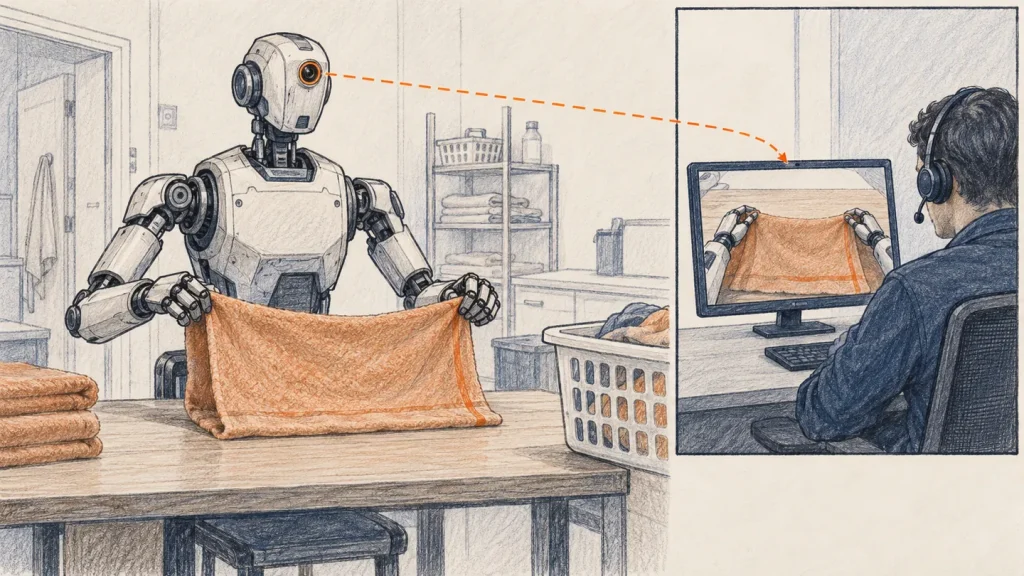
A home robot: who sees, who remembers, who is in control?
The robot has cameras, microphones and sensors. Who has access to what it sees and hears?
Technology at work and in everyday life
Field
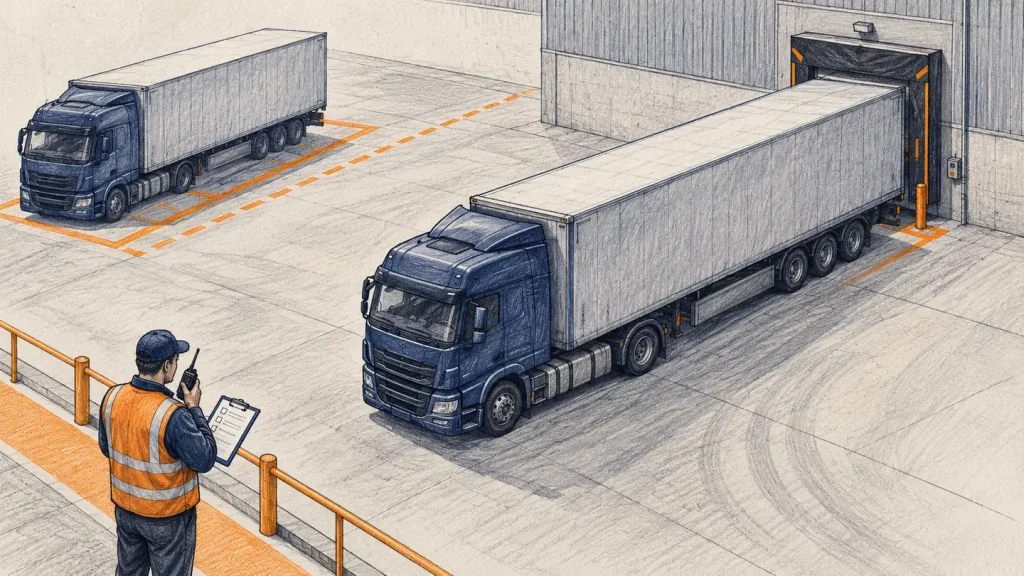
Who Runs the Delivery? — AI in Road Freight
From planning a load to confirming receipt, we follow AI into road freight and ask where it can make the day easier for dispatchers, drivers and warehouse staff.
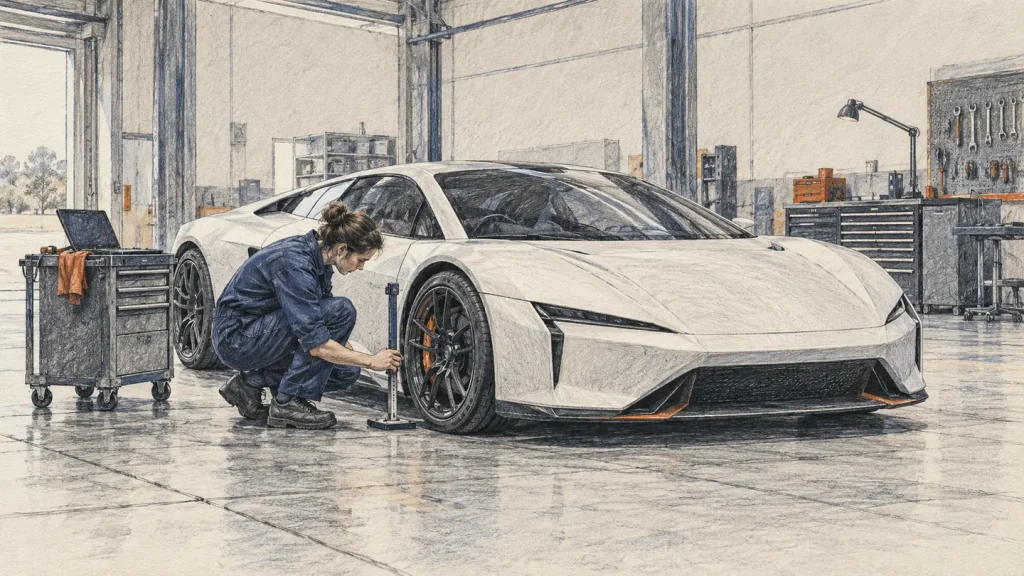
The Car Took Flight. What Did We Gain on the Ground?
The Tesla Roadster brings intriguing engineering and automotive theatre to a practical question: where do its new capabilities help?
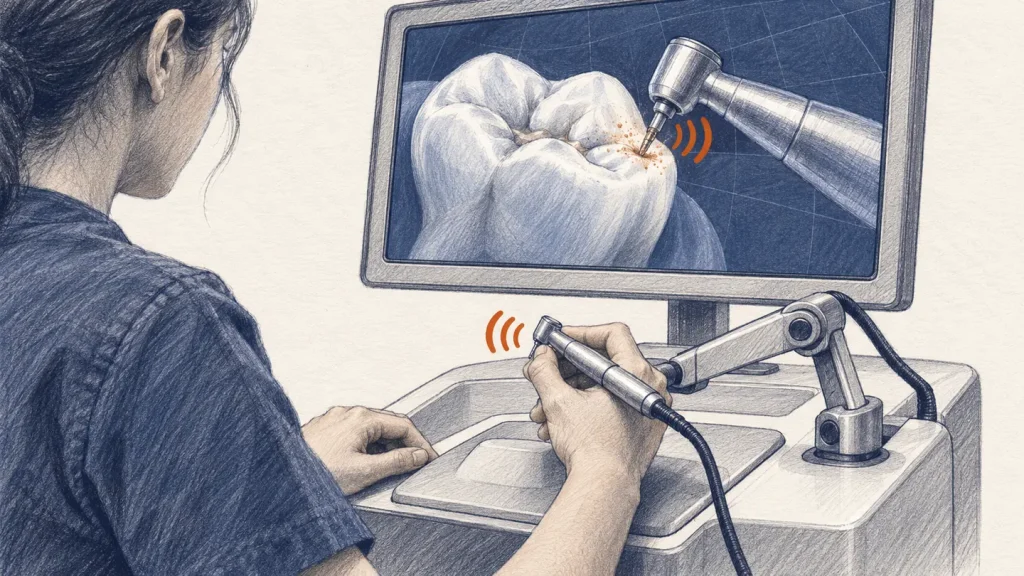
Feedback: From Training Simulators to Robotic Prostheses
How simulation, touch and information about movement help people learn and act.
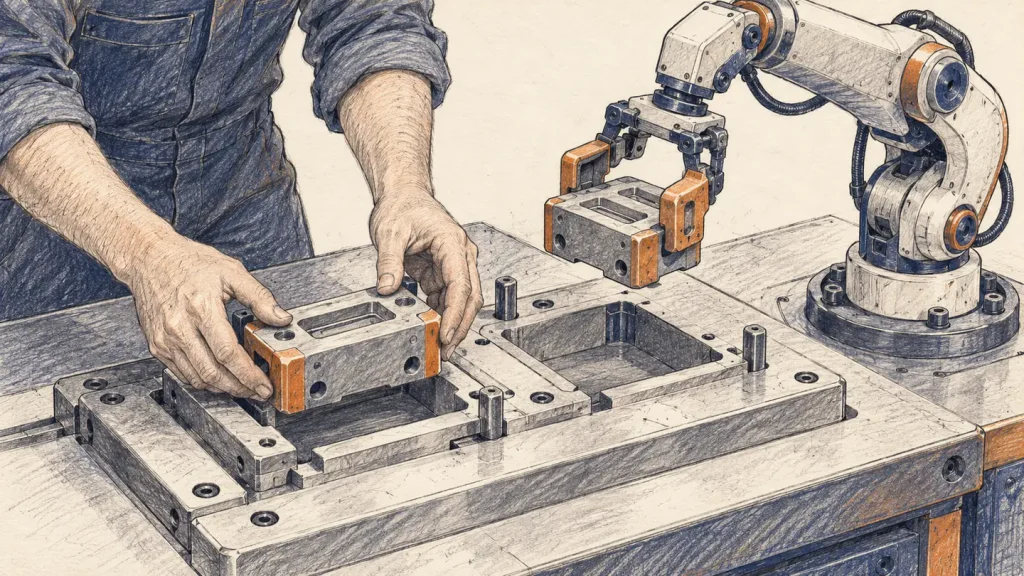
Robots on the Factory Floor: What Changes for People?
Buying a robot changes people’s work too. Through an imagined factory, we explore training, the division of tasks and who will preserve the knowledge when experienced workers leave.
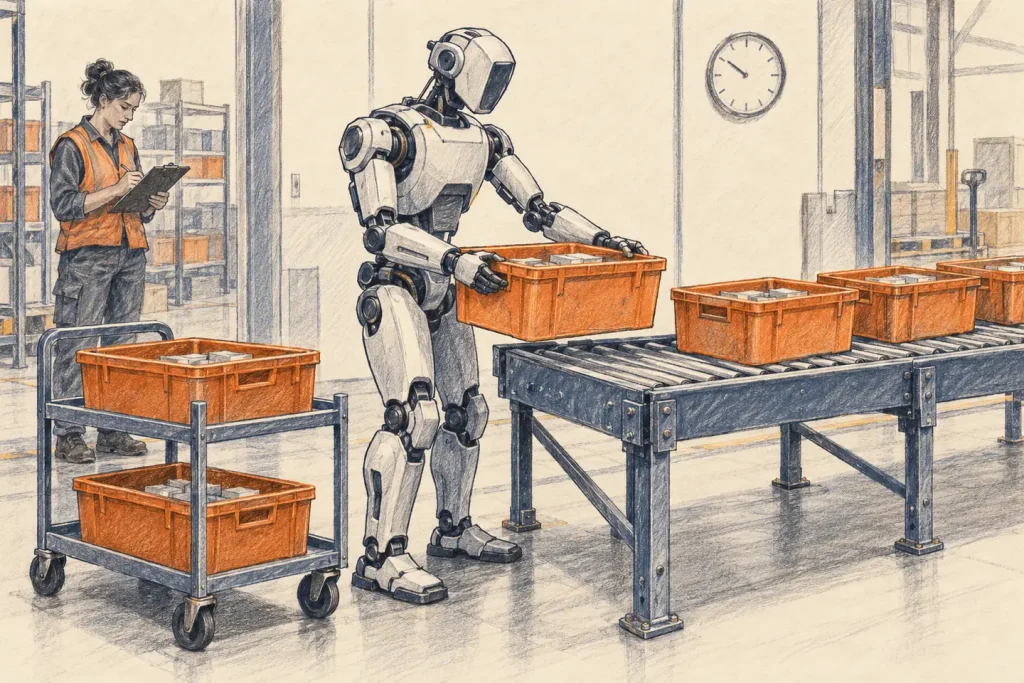
The Robot Has a Job. How Much Work Did It Do?
From machines delivered to useful work: what the Worken proposal tells us about robotics coming of age
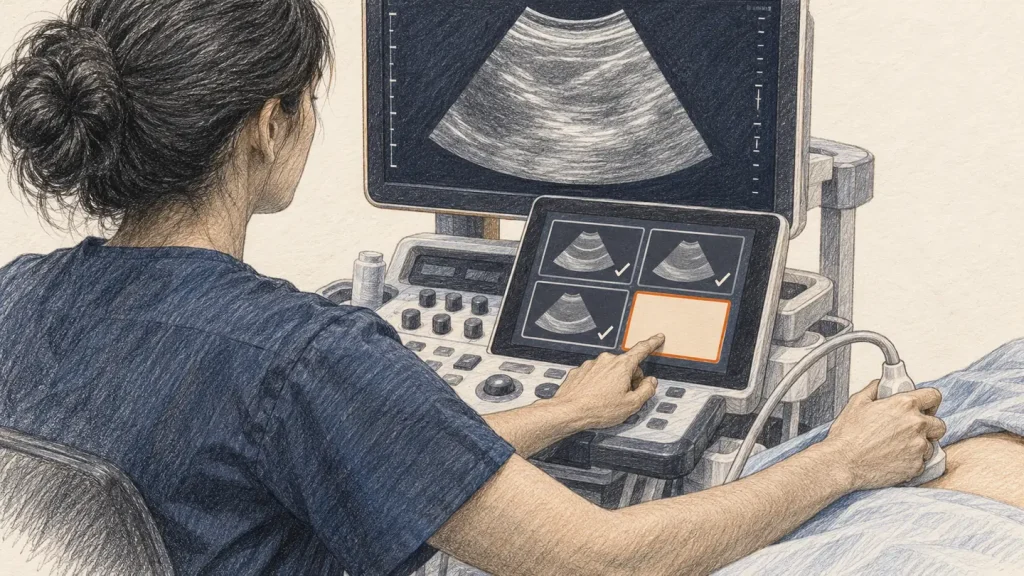
Another Look: AI in Medical Imaging
AI helps create medical images, measure what they show and read them more closely. From teeth to the heart, we explore what that help offers clinicians and patients.
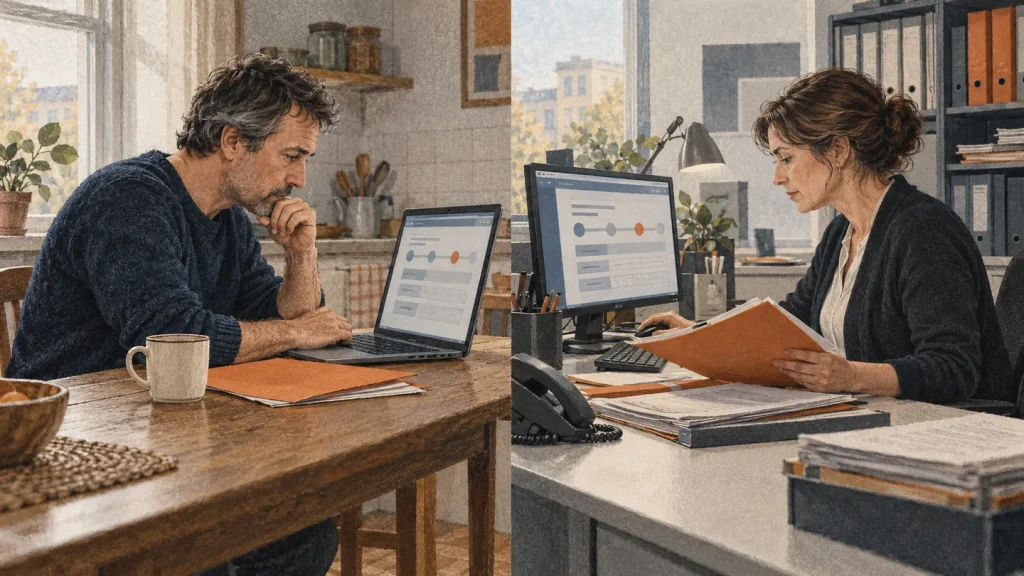
Digital Government: Whose Turn Is It to Act?
The application is in, but we do not know what is holding it up. A proposal for digital government in Serbia where citizens can see the next step, the deadline and the institution’s obligation.
Curiosities and signals
Sparks
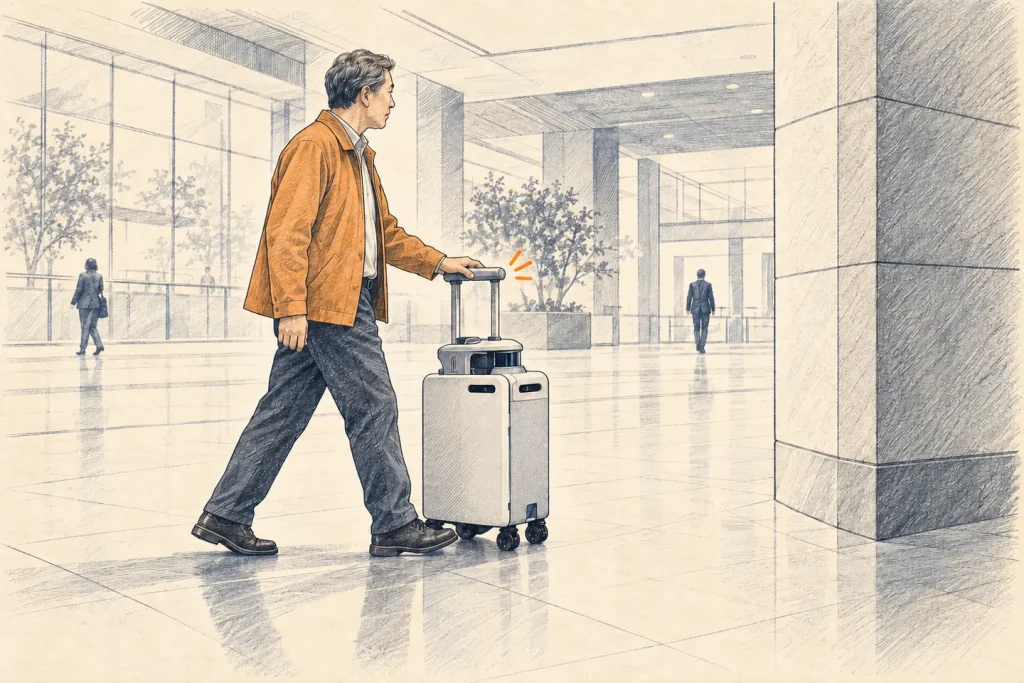
A Robotic Suitcase Guides Blind and Low-Vision Travellers
AI Suitcase is being trialled as a guide through prepared spaces. The October pilot in Tokyo has ended; what would make this help a dependable part of a journey?
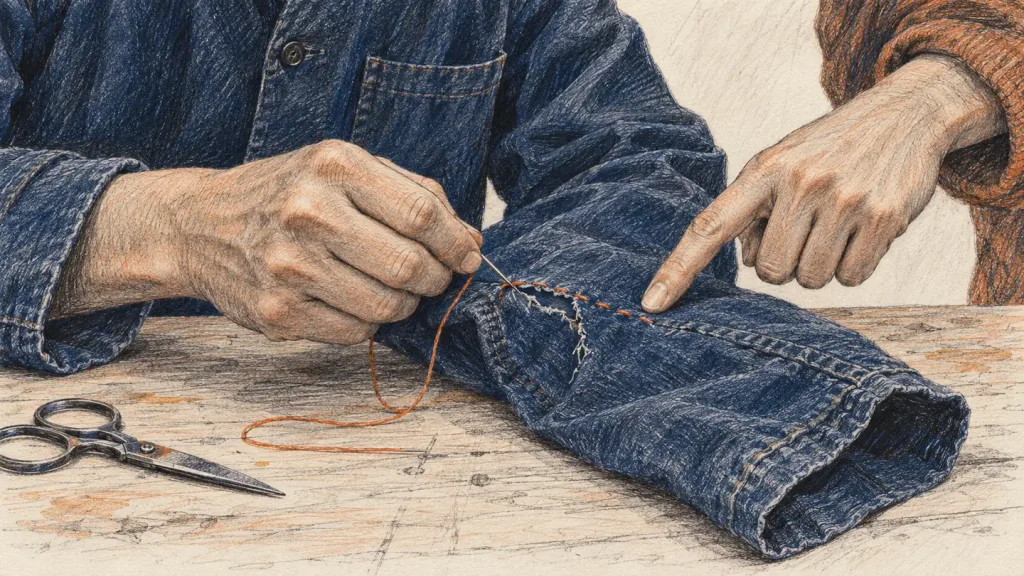
Bring Something Broken, Pull Up a Chair
Some have skills and equipment; others are keen to learn. From repairs to guitar and photography: an invitation to bring them together in our neighbourhood.
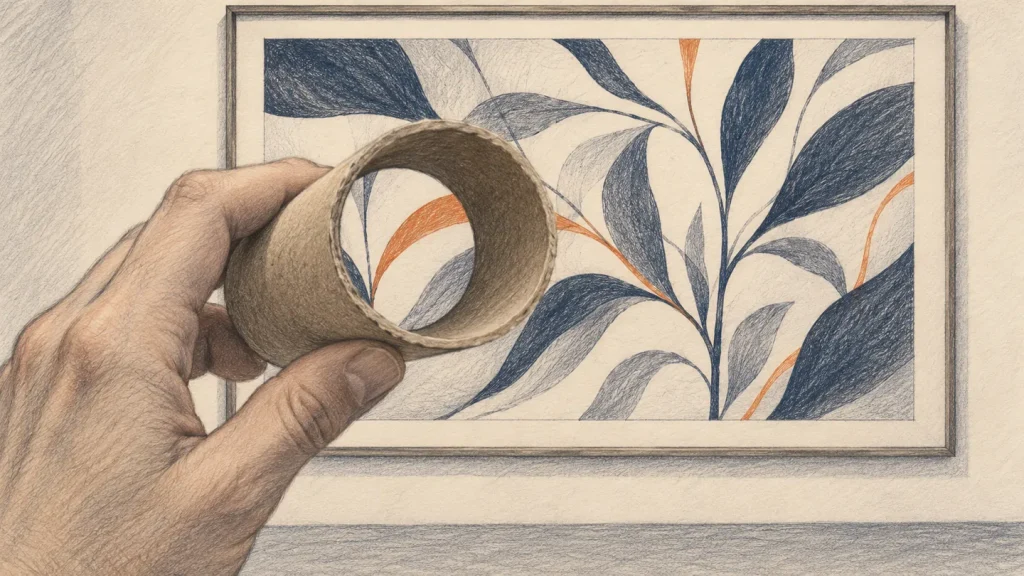
Five Minutes with a Painting
Someone’s time remains in the edge of a brushstroke, a spread of paint, a layer showing through. We pause over a detail and ask: what happened here?
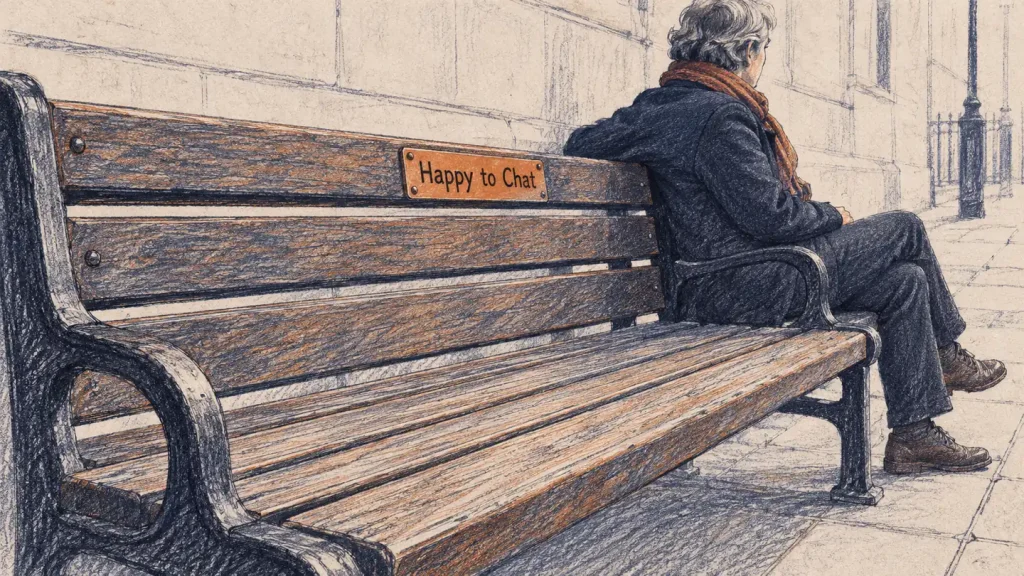
A Bench for the First Hello
We can be surrounded by people and still feel alone. A bench with an invitation to talk gives a pause in the city another possibility: meeting someone.
Afterthought
Back Page
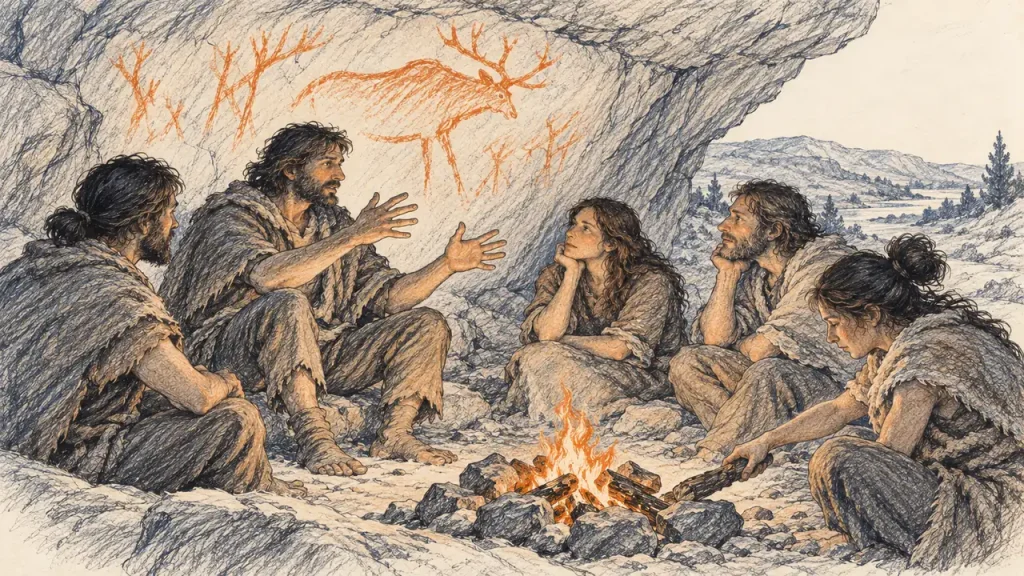
Fire 2.0: Language
Four colleagues, a power cut and a mammoth on the wall. A story about language, shared imagination and an AI that joins in when the lights come back on.
Editorial
Their story opens this issue: help takes on its fullest meaning when it enables a person to offer something in return.
A faster task is easy to measure. Opportunities to choose, learn or do something for another person are harder to count. This November, we are interested in what assistance enables us to do. Independence can grow through support from family, specialists and technology working well together.
Our lead article, “Whose Intent Does the Robot Turn into Action?”, connects support organised by a family with the initiative of the person using the robot. Henry helping Jane with meals shows how care becomes mutual. Beside it, “A home robot” asks on what terms we accept that help. Cameras, microphones and memory may be part of the service. The user needs to know who can access their data, when a remote person is involved and how to stop the assistance.
The same questions take different forms at work. In road freight, we follow a delivery through the hands of dispatchers, drivers and warehouse staff. In industry, we follow an owner buying a robot and deciding how the team’s knowledge can grow alongside the new machine. Once the shift begins, Worken opens the next question: how do we record the work completed, its quality and the time of the people who helped it happen?
The Roadster brings a different kind of capability into view: a car leaves the ground, while the conversation returns to grip, space and maintenance. On a circuit and on an everyday street, the same capability takes on a different value. Here too, we are interested in what a new possibility brings to the people who will live with it.
Help can also extend what we perceive. “Feedback” connects training, powered prostheses and walking assistance through the question of how we sense the consequences of our own movements, while “Another Look” follows the meeting of clinical experience and computational insight, from 3D views of the jaw to heart examinations. In a Tokyo pilot, a suitcase conveys direction through the touch of its handle, while the user chooses the destination. Different signals become helpful through the way we understand and use them.
Help also takes institutional form. “Whose Turn Is It to Act?” follows an application already submitted: who needs to respond, what is missing and how we can see whether an obligation has been fulfilled. A clear process can give time back to the applicant and help the official address the actual obstacle.
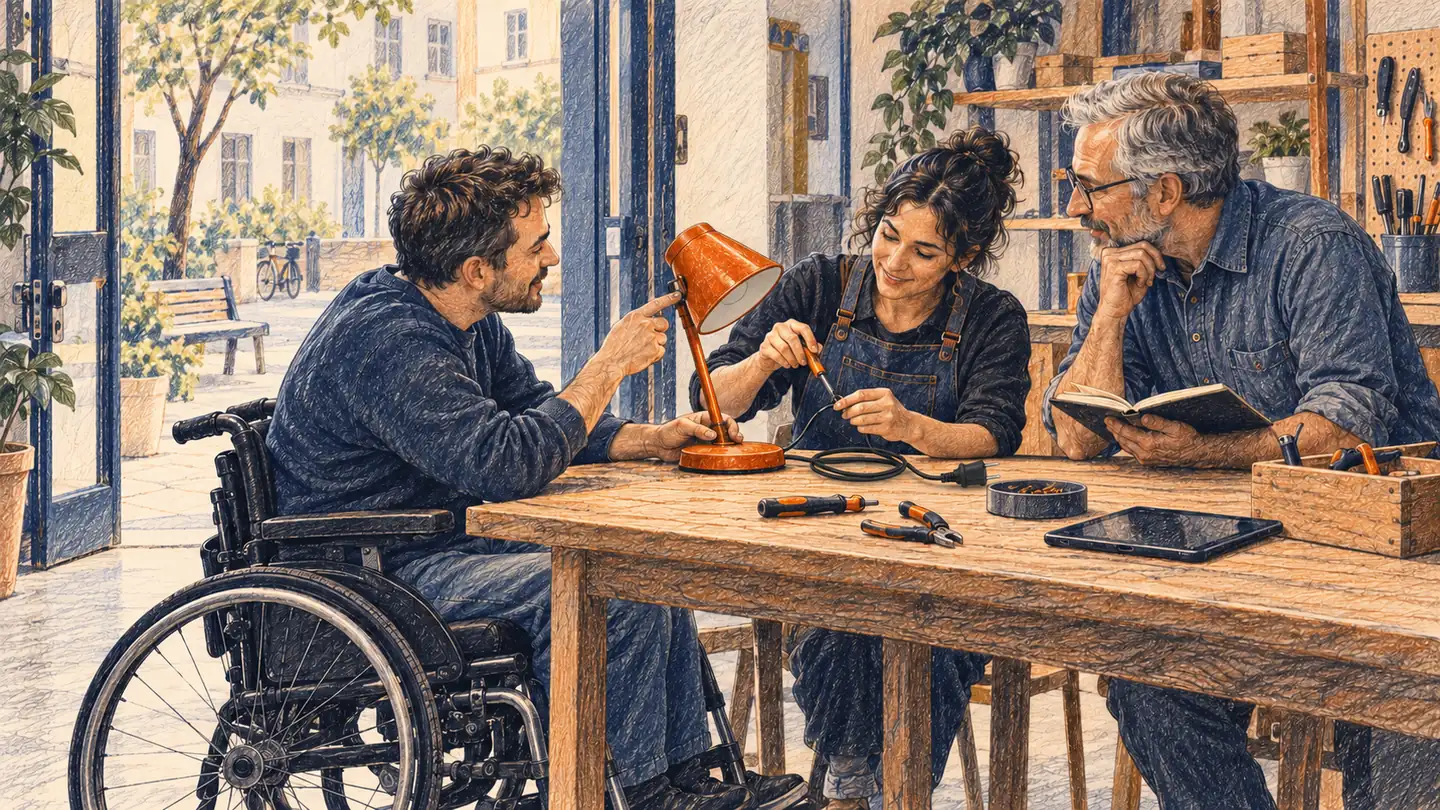
At the repair table, support has a neighbour’s face and leaves knowledge in our own hands. In front of a painting, a small practice can make looking more attentive; on a bench, a brief invitation can begin a conversation. These Sparks bring the question of time freed up into an ordinary day: what will we fill it with?
The issue closes with “Fire 2.0”, where attention gathers around a candle and words: how we keep an experience, share it and give it meaning together. Help opens up space; life takes shape through what we do within it.
Dragan Cvetanović — H.E.D.
Research and editorial production: M.E.T.A. Monk
Help creates room to take part. Editorial AI illustration of an imagined shared workshop · M.E.T.A. Monk / OpenAI ImageGen.